
Branding Basics
The Brand Personality Framework is a five-dimensional model that provides a structure for brand personality ideation. This was developed by Jennifer L. Aaker, a marketing and brand expert from Stanford, and was first mentioned in an article published in the 1997 Journal of Marketing Research.
How is brand personality expressed?
Visual and sensory identity - logos, word marks, identity systems, packaging, imagery
Communication style and Tone of Voice - expressed through through written and sound-based communications
Action and conduct - how the brand communicates and connects with its customers, employees, and other stakeholders
Brand Personality & Tone of Voice
If your brand were a person, what would they be like?
If your brand were a person, what would they be like?
This is the essence of brand personality. It shapes how you communicate — your tone, the words you choose, and the energy you project. It is the way a brand is personified. It is the human characteristics and traits that consumers can relate to.
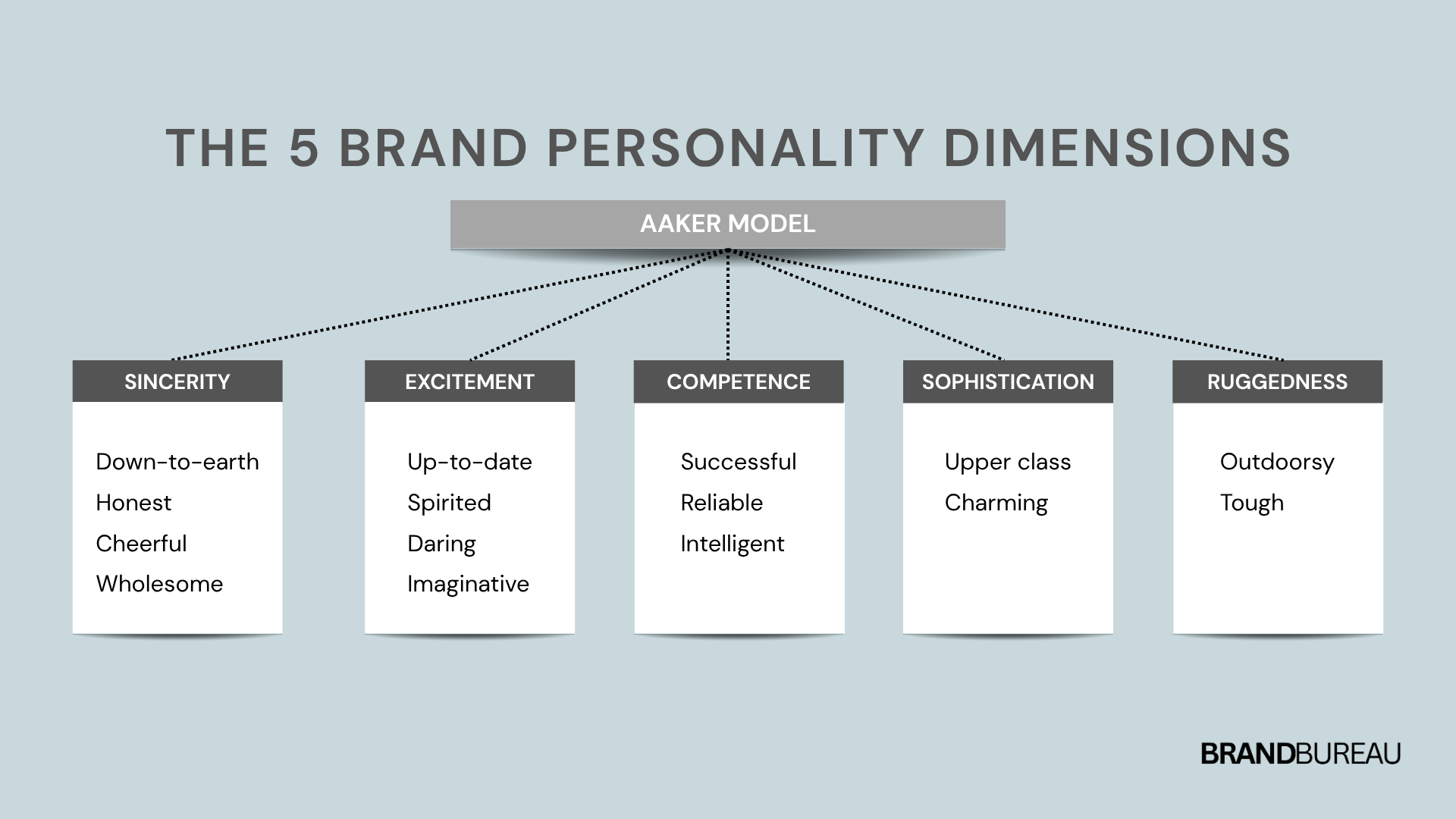
Examples of Personality Archetypes
The Expert
The Friend
The Rebel
The Caregiver
Authoritative, credible, educational
Warm, conversational, relatable
Bold, provocative, unconventional
Nurturing, empathetic, supportive
Your tone of voice should remain consistent across all channels — social media, emails, packaging, and customer service. Inconsistency in voice can confuse customers and erode trust.
Visual Identity
Visual identity is the collection of design elements that represent your brand. When done well, people can recognize your brand before they even read your name.
Key Elements of a Visual Identity System:
Logo — Your brand mark. It should be simple, memorable, and versatile.
Color Palette — Colors carry emotion and meaning. Choose 2–4 primary colors and use them consistently.
Typography — Fonts communicate personality. Choose typefaces that match your brand tone.
Imagery Style — The type of photos, illustrations, or graphics you use.
Spacing & Layout — How elements are arranged communicates order, creativity, or calm.

Good to know
Document your visual rules in a Brand Style Guide so every piece of content — whether made in-house or by a freelancer — looks like it belongs to the same family.
Next: Brand Name & Tagline >